The Nature of Chance and Human Perception
The allure of casino wins often transcends mere financial gain, delving into the very human fascination with chance. Philosophically, gambling presents a microcosm of life’s inherent unpredictability, and it is within this context that understanding the odds becomes a crucial element for players. Each spin of the roulette wheel or shuffle of cards is an event governed by probability, yet our emotional investment often leads us to perceive patterns or impending fortunes where none exist. The website https://tropicanzagb.org.uk/ can offer insights into how such platforms operate within this complex landscape. This disconnect between objective odds and subjective experience is a fertile ground for contemplation, exploring how we grapple with uncertainty and our innate desire for control in a fundamentally uncontrollable universe.
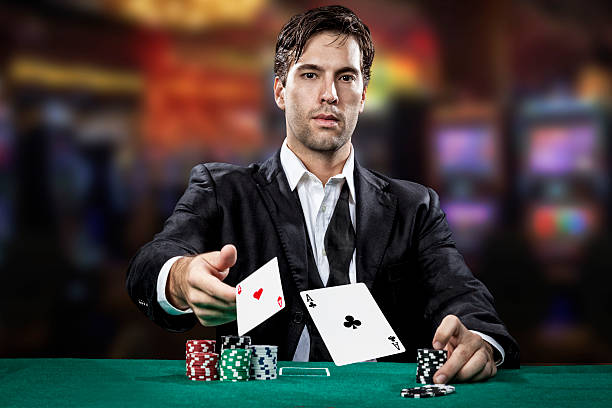
Understanding the philosophical underpinnings of gambling involves acknowledging the psychological biases that influence our decisions. Confirmation bias might lead us to remember wins more vividly than losses, reinforcing a belief in our “luck.” Similarly, the gambler’s fallacy, the mistaken belief that past independent events influence future ones, highlights our struggle to accept true randomness. These cognitive quirks, when examined, offer profound insights into human reasoning and the often-tenuous relationship we have with statistical reality.
The Ethics of Risk and Reward in Gambling
The act of gambling raises significant ethical questions regarding the balance between risk and reward. From a utilitarian perspective, one might consider the societal impact – the entertainment value for many versus the potential for harm to vulnerable individuals. Philosophers debate whether the pursuit of quick riches, often at the expense of careful financial planning, is inherently irresponsible. This exploration touches upon concepts of personal responsibility, the social contract, and the role of regulated industries in mitigating potential negative consequences.
Furthermore, the concept of a “fair game” itself is philosophically complex. While casinos operate on a mathematical edge, the perception of fairness can be subjective. The ethical debate extends to the marketing and promotion of gambling, questioning whether the industry adequately informs potential patrons of the true odds and inherent risks. Examining these ethical dimensions provides a critical lens through which to view the gambling landscape and its societal implications.
Existential Reflections on Winning and Losing
The emotional rollercoaster of casino gambling offers a potent, albeit concentrated, experience of existential themes. A significant win can evoke feelings of euphoria and a temporary suspension of mundane worries, prompting reflections on fortune and destiny. Conversely, substantial losses can lead to introspection about choices, consequences, and the fleeting nature of material possessions. These moments, amplified by the stakes involved, can force individuals to confront their relationship with success, failure, and the inherent impermanence of life’s circumstances.
The philosophical journey through gambling can also involve an acceptance of the absurd. In a universe devoid of inherent meaning, the arbitrary nature of a win or a loss in a game of chance can mirror the larger lack of predetermined purpose. Embracing this perspective, rather than succumbing to despair, can lead to a more profound appreciation for the present moment and the subjective value we assign to our experiences, whether they be a lucky streak at the tables or the simple act of playing.
The Psychology of Hope and Despair in the Casino
Within the casino environment, the interplay of hope and despair is palpable, forming a core element of the gambling experience. Hope fuels the anticipation of a win, sustaining engagement even through prolonged periods of losing. This psychological drive is often amplified by the sensory stimulation of the casino floor, designed to keep patrons immersed and optimistic. Understanding this dynamic is key to grasping why individuals continue to participate, driven by the possibility of a life-altering outcome.
The descent into despair, conversely, arises from the accumulation of losses and the erosion of hope. This emotional state can lead to irrational decision-making, as individuals chase their losses in an attempt to reclaim what they perceive as rightfully theirs. The philosophical study of gambling’s emotional spectrum reveals much about human resilience, the capacity for self-deception, and the profound impact of perceived fortune on our mental well-being.

Tropicanza GB: Navigating Odds and Responsible Engagement
In the realm of online gambling, platforms like Tropicanza GB offer a space where players can engage with the complexities of chance. While the thrill of potential wins is a primary draw, the philosophical considerations of risk, probability, and personal responsibility remain paramount. Tropicanza GB, like any reputable online casino, operates within a framework that, ideally, encourages players to understand the odds and to approach gambling as a form of entertainment rather than a guaranteed income source.
Responsible engagement with gambling, a principle that Tropicanza GB should uphold, involves recognizing the inherent risks involved. Philosophically, this means acknowledging that while one can analyze odds and employ strategies, the ultimate outcome of any given bet remains subject to chance. The focus should always be on the enjoyment of the experience, setting limits, and understanding that a win is a fortunate outcome, not a certainty. Exploring the philosophical dimensions of gambling can enrich the player’s experience, fostering a more mindful and balanced approach to casino entertainment.